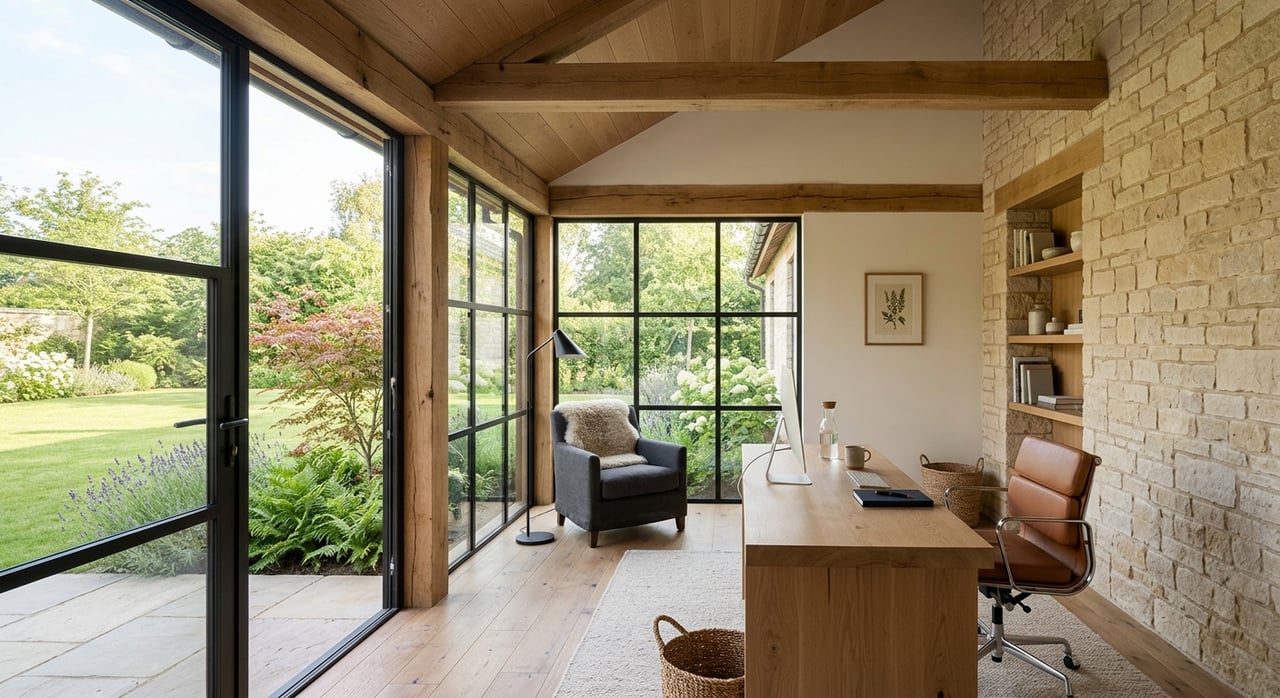
If you are trying to choose where to live around Waco, the biggest question is not just price. It is how you want your everyday life to feel. Some buyers want a more connected in-town routine, some want a close-in suburban setup, and some want room to spread out on land. This guide will help you compare downtown, suburban, and acreage living around Waco so you can focus your search with more confidence. Let’s dive in.
Why Waco Is Not One-Size-Fits-All
Waco and the surrounding McLennan County area offer a wide mix of living options. In 2025, Waco had 147,788 residents, while McLennan County had 272,020 residents spread across 1,036.66 square miles of land. That alone tells you this is not a single, uniform market.
The numbers also show meaningful price variation. Census estimates place owner-occupied housing values at $221,700 in Waco, compared with $370,500 in Woodway, $273,300 in Hewitt, $269,000 in Robinson, $221,700 in McGregor, and $155,100 in Bellmead. In other words, where you buy around Waco can shape both your budget and your lifestyle.
It also helps to keep market stats in context. In Q1 2026, the Texas Real Estate Research Center reported a Waco MSA median close price of $199,000 with 57 days on market, while Redfin showed a March 2026 median sale price of $275,355 for Waco city and $309,950 for Downtown Waco. Those figures are useful directional markers, but they describe different areas and price measures.
Downtown Waco Living
Downtown Waco appeals to buyers who want more character, more activity, and a more connected feel. The city is actively investing in the area through its Downtown Master Development Roadmap, which covers about 100 acres and organizes the urban core into several sub-districts. That long-term planning is one reason many buyers keep downtown on their radar.
The city is also working on quality-of-life improvements. Its Downtown Implementation Plan points to current pedestrian comfort challenges like sidewalk gaps, heat, lighting, and concentrated parking, and in 2026 the city moved forward on a railroad quiet zone for a 1.5-mile downtown rail segment to reduce routine horn noise. That combination shows both the appeal of downtown and the fact that it is still evolving.
What Housing Looks Like In-Town
In-town Waco is not all one style or one price point. The city describes Austin Avenue as historically rich and architecturally diverse, with preserved homes and tree-lined streets, and notes that Sanger Heights is one of Waco’s oldest neighborhoods. The city’s broader preservation and planning efforts also highlight a mix of historic homes, multifamily residences, and future housing types near downtown.
That variety matters when you start comparing options. The downtown masterplan envisions condos, apartments, townhomes, live-work lofts, and mixed-use housing. So if you want an urban setting but do not want the exact same product as everyone else, in-town Waco gives you more range than many buyers expect.
Downtown Price Range In Context
Price points inside Waco vary quite a bit by area. Redfin’s March 2026 median sale prices were $309,950 in Downtown Waco, $318,000 in North Lake Waco, $288,000 in Oakwood, $222,000 in Timbercrest, and $217,000 in Richland Hills. Waco city overall came in at $275,355.
That spread suggests you can find different levels of affordability and different housing styles without leaving the city limits. For some buyers, that makes in-town living worth a close look before automatically heading to the suburbs.
Best Fit For Downtown Living
Downtown or older in-town Waco may be the right fit if you want:
- More historic character
- A denser, more connected feel
- Access to mixed housing types
- Ongoing city investment and redevelopment
- Parks and outdoor amenities nearby
Waco’s Parks and Recreation Department maintains 66 parks and more than 1,650 acres of parkland. That can be a real plus if you like the energy of the city but still want outdoor space woven into your routine.
Suburban Living Near Waco
If your goal is more space with an easy drive into Waco, the close-in suburbs may offer the best balance. In general, these areas trade some walkability for convenience, homeowner-oriented living, and short commute times. For many buyers, that is a very practical middle ground.
The key names that come up most often are Woodway, Hewitt, Robinson, and Bellmead. Each has a different price profile and feel, but all function as close-in alternatives rather than far-flung destinations.
Woodway: Close-In And Higher Priced
Woodway stands out as one of the higher-priced close-in options in the available data. Census estimates put its 2024 population at 9,686, with a 90.8% owner-occupied housing rate and a median owner-occupied value of $370,500. Travelmath places the non-stop drive from Waco to Woodway at about 10 minutes.
That combination makes Woodway feel more like a short-commute suburb than a separate market entirely. If you want proximity to Waco with a more established homeowner profile, Woodway is one of the clearest examples.
Hewitt: Convenience South Of Waco
Hewitt offers another close-in suburban option with a convenience-driven location. The city says Hewitt covers 6.86 square miles and sits south of Waco on Interstate 35. Census estimates put its 2025 population at 16,754, with a median owner-occupied value of $273,300.
Travelmath lists the Waco to Hewitt drive at about 14 minutes. That kind of access can matter if you want suburban living without giving up a manageable trip into Waco.
Robinson: More Space, Higher Price
Robinson has a somewhat more spacious and higher-priced profile in the data reviewed. The city says it adjoins Waco at Interstate 35, and Census reports a 2024 population of 12,986 with a median owner-occupied housing value of $269,000. Redfin’s March 2026 median sale price for Robinson was $375,000.
Travelmath lists the drive from Waco to Robinson at about 12 minutes. For buyers comparing close-in suburbs, Robinson may stand out if you are looking for a short drive paired with a stronger premium on space or pricing.
Bellmead: More Budget-Oriented
Bellmead is the more budget-oriented option among the close-in suburbs covered in the report. The city notes easy access to Waco, Baylor, and Interstate 35. Census reports a 2025 population of 10,592 and a median owner-occupied value of $155,100, while Redfin placed the March 2026 median sale price at $203,750.
A route-planning result shows roughly 20 minutes from Waco to Bellmead. If price is a major factor and you still want close access to Waco, Bellmead may be worth a closer look.
Best Fit For Suburban Living
Close-in suburban living may work best if you want:
- A short drive into Waco
- More conventional residential patterns
- A stronger owner-occupied feel in some markets
- A wider range of price points than many buyers expect
- A middle ground between city access and added space
For many households, this is the sweet spot. You stay connected to Waco while gaining more separation from the in-town pace.
Acreage Living Around Waco
If your dream is land, privacy, and a slower pace, your search will usually extend beyond Waco city limits. Acreage living around Waco often means looking deeper into McLennan County or toward nearby small towns. That opens up more possibilities, but it also creates a wider spread in property types and pricing.
McLennan County has more than 1,036 square miles of land, and the Texas Brazos Trail Region describes the area as a mainly rural part of Central Texas with historic towns, preserved homes, and heritage corridors. That gives you a sense of the region’s broader rural context.
Why Acreage Pricing Varies More
Rural and acreage properties are usually less uniform than homes in town or in subdivisions. McLennan County appraisal data separately tracks acreage and rangeland, farm-ranch homes, mobile homes, and non-qualifying land. That is a useful reminder that with land, the tract itself often drives the value.
Two acreage properties can look similar at first glance but differ sharply based on size, use, improvements, and location. That is one reason buyers considering land often benefit from a very focused local search strategy.
McGregor As A Small-Town Reference Point
McGregor is a helpful reference point on the small-town side of the spectrum. Census estimates put its 2025 population at 6,405, which was up 18.7% from the 2020 base. Its median owner-occupied housing value was $221,700.
Texas Time Travel says McGregor is a short drive west of Waco, about 14 to 16 miles or roughly 15 to 20 minutes via US-84. If you want some separation from the city without being too far removed, that kind of distance may feel manageable.
Best Fit For Acreage Living
Acreage or small-town living may be the best fit if you want:
- More room and privacy
- A slower day-to-day pace
- Greater separation from dense development
- Flexibility to look beyond city limits
- Land as part of the property’s value
The tradeoff is usually convenience. In most cases, more land means more driving and less uniform pricing.
How To Choose The Right Waco-Area Lifestyle
The simplest way to compare your options is to think in terms of tradeoffs. Downtown and older in-town neighborhoods offer more character and amenity density. The close-in suburbs offer a strong commute-to-space balance. Acreage and small-town settings offer more land and privacy, but usually less day-to-day convenience.
For many buyers, the biggest filter is how much driving you want in your routine. If you want to stay close to activity and city investment, downtown may feel right. If you want practical access with a more suburban setup, the close-in suburbs may be your lane. If space matters most, acreage living may be worth the extra drive.
A smart search starts by defining your non-negotiables. Think about how you want your weekdays to function, not just what looks good in a listing photo. That clarity can save you time and help you compare homes more realistically.
A Quick Side-By-Side View
| Lifestyle | Strongest Appeal | Typical Tradeoff |
|---|---|---|
| Downtown Waco | Character, redevelopment, housing variety, city amenities | Smaller lots, denser setting, evolving infrastructure |
| Close-In Suburbs | Short drives, more conventional suburban living, varied price points | Less walkability |
| Acreage / Small Town | Land, privacy, slower pace | More driving, wider price variation |
Whether you are relocating, moving across the Waco area, or narrowing down where to focus your search, it helps to work with someone who can break down those neighborhood-level differences clearly. If you want owner-led guidance and a practical conversation about what fits your goals, connect with Ten42 Realty.
FAQs
What is the main difference between downtown, suburban, and acreage living around Waco?
- Downtown Waco generally offers more character and amenity density, close-in suburbs offer a stronger balance of commute and space, and acreage areas offer more land and privacy with more driving.
What do home prices look like in different parts of the Waco area?
- The research shows wide variation, with Census owner-occupied housing values ranging from $155,100 in Bellmead to $370,500 in Woodway, plus March 2026 median sale prices like $309,950 in Downtown Waco and $375,000 in Robinson.
What is downtown Waco like for homebuyers?
- Downtown Waco includes active redevelopment, a mix of housing types, historic areas, and city-led efforts to improve pedestrian comfort and reduce routine rail horn noise through a quiet zone project.
Which Waco-area suburbs are close to the city?
- Woodway, Hewitt, Robinson, and Bellmead are all presented in the research as close-in options with relatively short drives to Waco.
What should buyers know about acreage living in McLennan County?
- Acreage living often means more room and privacy, but property values can vary more because tract size, land type, improvements, and location all matter heavily.
Is McGregor a practical option for buyers who want more space near Waco?
- Yes, the research identifies McGregor as a nearby small-town option roughly 15 to 20 minutes west of Waco, with a 2025 median owner-occupied housing value of $221,700.