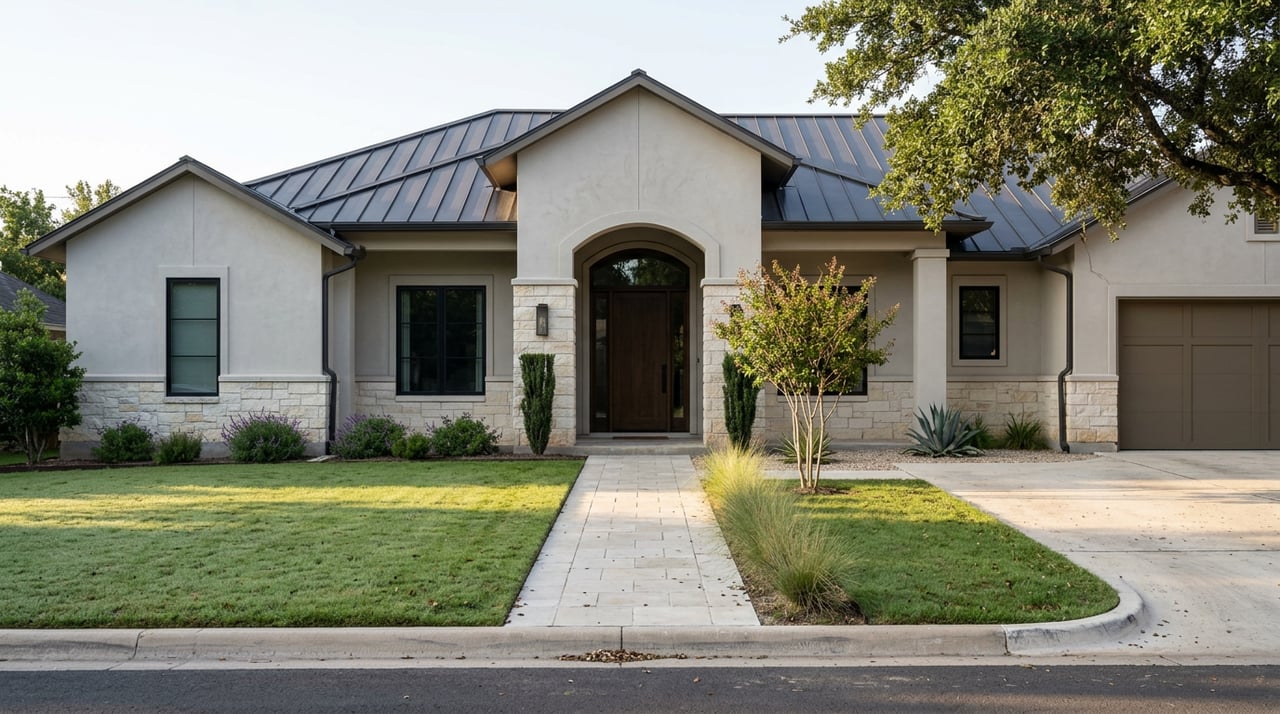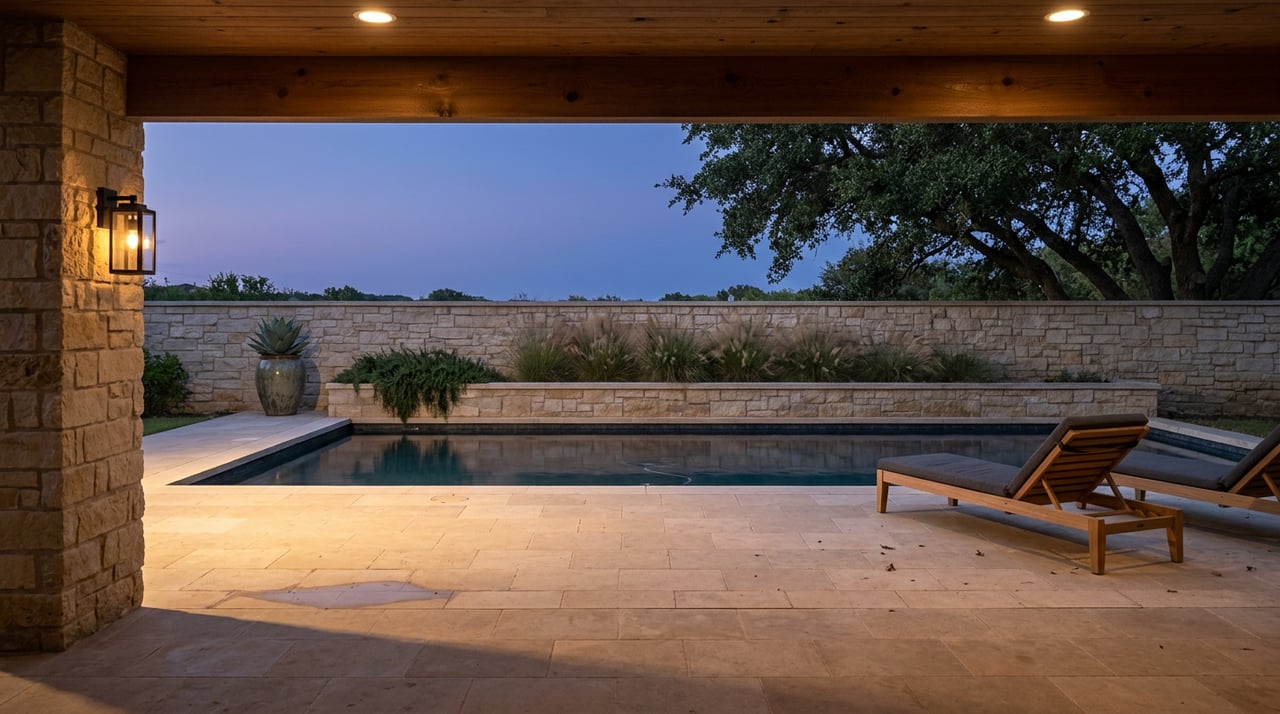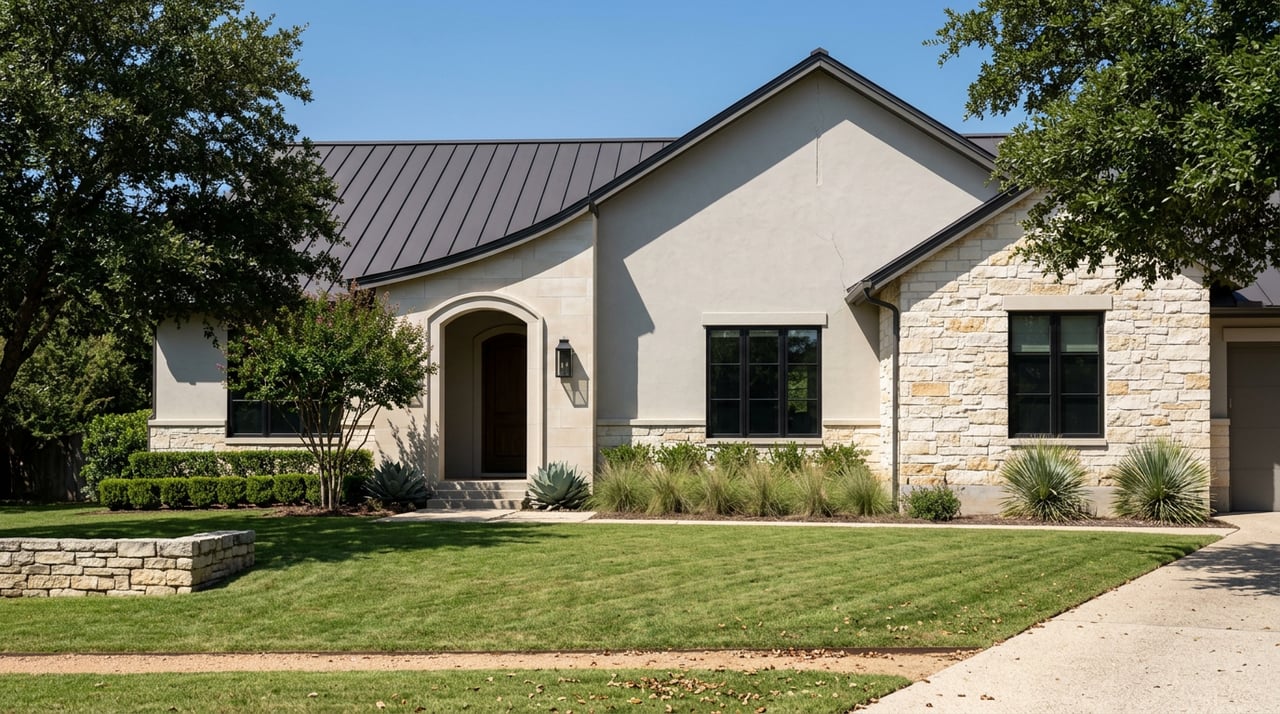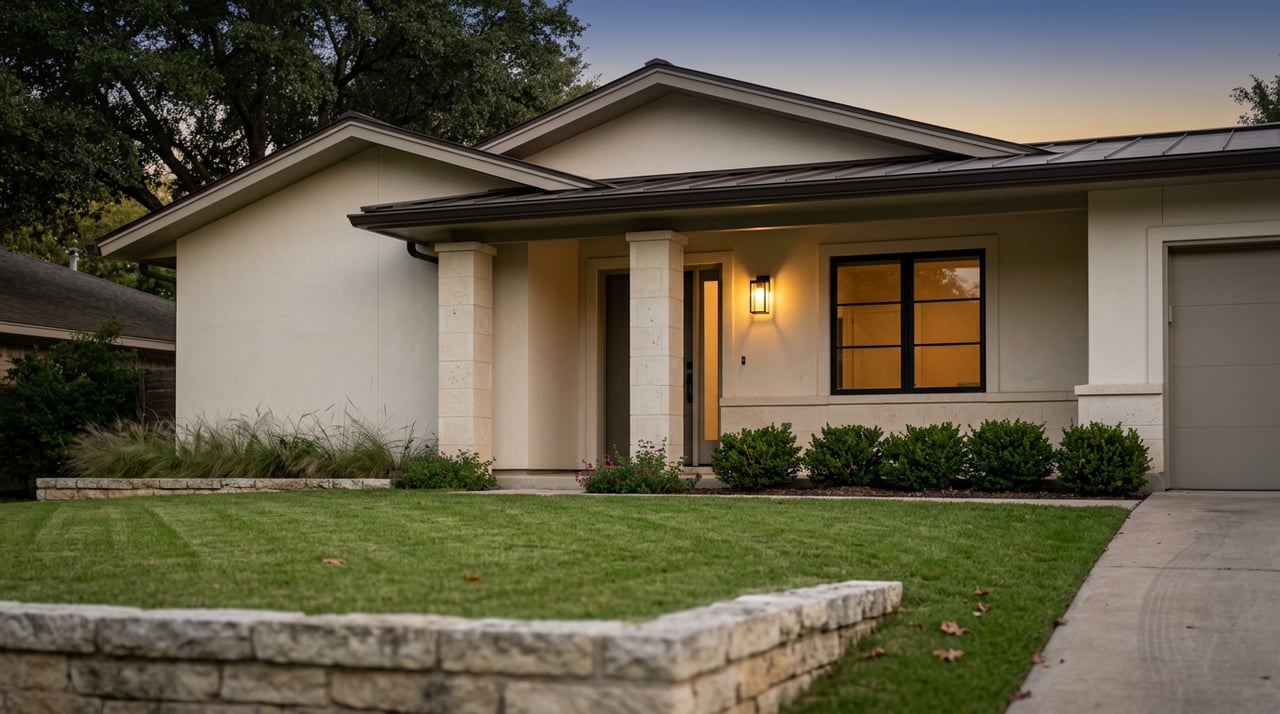
Wondering whether the right home in Salado is a one-of-a-kind older property or a newer custom build? You are not alone. Buyers here often find both in the same search, and each path comes with its own opportunities, tradeoffs, and due diligence. This guide will help you understand the Salado market, local rules, and practical steps that matter before you make an offer. Let’s dive in.
Why Salado appeals to custom-home buyers
Salado stands out because it blends preservation-minded planning with active residential development. The Village’s zoning approach is designed to protect places with historical, cultural, and architectural importance, while local Development Services continues to process permits and oversee active residential projects.
That means your search may include older homes with unique details, larger estate-style properties, and newer construction in developing areas. For buyers, this creates more choice, but it also means you need to evaluate each property on its own terms instead of assuming the same rules apply everywhere.
What the Salado market looks like
Recent public data places Salado in a broad mid-to-upper-mid price range. In spring 2026, median sale price figures were reported around the low-to-mid $440,000s, while average values and median list prices ran higher depending on the source and method used.
The bigger takeaway is not one exact number. It is that Salado appears to be a market where list prices, sale prices, and home styles can vary widely, especially when you compare distinctive older homes to newer custom properties.
Buyers may have room to negotiate
Salado does not look like a rushed, highly competitive tract-home market. Public market trackers described it as not very competitive, with homes often selling below list price on average and taking time to go pending.
For you, that can be helpful. It may give you more room to inspect carefully, ask questions, and negotiate repairs or terms instead of feeling pressured to move too fast.
Character homes need extra homework
If you are drawn to an older home in Salado, charm is only part of the picture. The Village’s zoning ordinance gives special attention to historic assets, including a Historic District and Historic Landmark designations that can affect what owners may change.
This matters most if you plan to update the exterior. In the Historic District or on a designated Historic Landmark, items like roofing, siding, doors, windows, shutters, fences, railings, porches, balconies, signs, and paint can count as alterations under the ordinance.
Check historic status before planning updates
A home may look like an easy cosmetic project, but local review rules can change that quickly. Salado’s ordinance also defines demolition broadly, and replacement work that changes a parcel’s appearance may be treated as new construction.
Before you assume a remodel is routine, confirm whether the property sits in the Historic District or carries a landmark designation. That single step can shape your renovation plans, timeline, and budget.
Custom builds come with a formal process
If you are leaning toward a newer custom home or a homesite where you plan to build, Salado has a clear permitting structure. The Village states that all new construction, alterations, and additions require a building permit.
Contractors working in the Village must be registered and provide proof of liability insurance. The Village also states that building without a permit can result in a fine, and final inspection must pass before occupancy.
New residential construction follows current code requirements
Salado says new residential work is reviewed under the 2021 International Codes and the 2023 National Electric Code. New construction also requires a wastewater service application, including a stated new-service fee for properties inside the Village.
This is one reason to ask detailed questions early if you are buying a custom build in progress. You want to understand where the project stands, what approvals are already in place, and what steps remain before closing or move-in.
Salado includes both old and new housing choices
Salado is not only about historic homes and cottages. Development Services lists active residential-related development agreements for areas including Eagle Heights, Mustang Springs, Sanctuary, and the Stagecoach economic development area.
That tells you the local housing stock includes more than one style of opportunity. Depending on your goals, you may be comparing a legacy property with mature features and character against a newer home with updated systems and a more standardized build process.
Inspections matter even more with unique homes
Every home purchase deserves careful inspection, but custom and character homes often need a deeper conversation. The Texas Real Estate Commission states that licensed inspectors in Texas must follow TREC Standards of Practice, and buyers are advised to schedule inspections quickly so there is time to address concerns and order follow-up evaluations if needed.
That advice is especially important when the home is older, heavily customized, or less typical for the area. Unique homes can be wonderful to own, but they often come with more questions about condition, prior repairs, and long-term maintenance.
Focus on major systems first
For a valuable or unusual property, pay close attention to the foundation, roof, plumbing, electrical, and major appliances. Those are core systems that can affect safety, comfort, and your future repair budget.
If the home has had visible repairs, additions, or age-related wear, it makes sense to treat these areas as key parts of your decision. A detailed inspection period gives you time to understand what is cosmetic and what may be more significant.
Add-on inspections may be worth it
In some Salado purchases, a general inspection may not be enough. Texas requires anyone reporting wood-destroying insects to hold the proper state license, and mold assessment and remediation are regulated by the Texas Department of Licensing and Regulation.
If you notice visible mold, musty odors, moisture concerns, or signs of pest activity, ask about proper follow-up inspections. For older homes, these are often practical parts of due diligence rather than optional extras.
Septic questions should come early
If you are considering a custom home on acreage or a property outside full city service, septic deserves early attention. The Texas Commission on Environmental Quality regulates on-site sewage facilities, including permitting, construction, and maintenance.
Its permit process requires property and site information, water-source details, and installer or designer information. The form also states that construction should not begin before authorization is issued.
Why septic can affect your timeline
Septic questions can influence both your budget and your closing schedule. If a property uses a private system, you will want clarity on the existing setup, any needed permits, and whether additional evaluation is appropriate during the contract period.
This is one of those issues that is easier to manage when it is identified early. It is much harder when it surfaces late in the transaction.
Appraisal can be trickier for one-of-a-kind homes
If you are financing your purchase, your lender will usually require an appraisal. TREC describes an appraisal as a written estimate of value based on current market conditions, and buyers generally need both an appraisal and an inspection.
For a custom or highly individualized home, that process may feel less predictable than it does for a more standard property. Unusual layouts, highly specific finishes, or acreage-related features can make comparable sales harder to line up in a straightforward way.
Prepare for value questions
That does not mean a custom or character home is a poor choice. It simply means the value conversation may depend more heavily on condition, features, and the strength of local comparable sales.
When you fall in love with a one-of-a-kind property, it helps to stay grounded in both the emotional appeal and the financial reality. A home can be special and still need careful support for its contract price.
Verify taxes with Bell CAD
For tax and appraisal information, Bell CAD is the local source to check. Its 2026 public information notes that values are posted online, and it also explains that Texas homestead properties are subject to a 10% annual cap on assessed-value increases until assessed value reaches market value.
Bell CAD also states that homestead exemptions are free to file and do not require annual renewal. If you are budgeting for a custom or character home, verify estimated taxes early rather than relying only on the seller’s current tax bill.
Seller tax history may not reflect your future bill
This is especially important when a property has changed in value or when the current owner benefits from exemptions you may not share right away. Your monthly payment and long-term carrying costs should be based on realistic numbers, not just past statements.
A careful review up front can help you avoid surprises after closing. That matters even more when the home itself is unique and may already carry different maintenance costs than a more typical house.
Think about resale before you buy
It is easy to focus only on the features you love today. In Salado, though, the wide spread between active list prices and recent sale prices suggests that condition, comparables, and marketability can have a strong effect on outcomes.
Uniqueness can absolutely be a strength, but it can also narrow your future buyer pool. If a home has a very specific floor plan, highly personal finishes, or niche features, think about how the next buyer may view those same choices.
The goal is balance
You do not need to avoid personality or custom design. You just want to buy with open eyes.
The best custom or character home is one that fits your life now and still makes sense later. When you weigh renovation rules, inspections, taxes, appraisal risk, and resale together, you put yourself in a much stronger position.
If you are comparing older charm, custom construction, or estate-style options in Salado, owner-led guidance can make the process much clearer. The team at Ten42 Realty can help you evaluate the details, ask the right questions, and move forward with confidence.
FAQs
What makes buying a character home in Salado different?
- Salado’s zoning ordinance gives special attention to historic assets, and exterior changes on properties in the Historic District or on designated Historic Landmarks may trigger review.
What should buyers inspect in a custom or older Salado home?
- Buyers should pay close attention to major systems like foundation, roof, plumbing, electrical, and appliances, and may also want follow-up inspections for wood-destroying insects or mold when conditions suggest it.
What permits matter for new construction in Salado?
- The Village states that new construction, alterations, and additions require a building permit, contractors must be registered and insured, and final inspection must pass before occupancy.
What should Salado buyers know about septic systems?
- If a property uses an on-site sewage facility, septic permitting and construction are regulated by TCEQ, and system details can affect both your budget and your transaction timeline.
Where should buyers verify property tax details in Bell County?
- Buyers should verify tax and appraisal information with Bell CAD, including posted values and any homestead-related details that may affect future ownership costs.