Thinking about buying a rental house in Robinson but not sure where to start? You are not alone. Many first-time investors look at Robinson because it blends small-town feel with access to the Waco job market. In this guide, you will learn the local factors that drive demand, the numbers you should run, and the steps to build a simple plan you can follow with confidence. Let’s dive in.
Why Robinson works for SFR investing
Robinson sits in the Waco metro, so tenant demand often reflects nearby employers, Baylor University activity, and regional commuting patterns. Families value proximity to Robinson Independent School District and straightforward access to Waco’s services. When you combine steady household demand with a mostly single-family housing stock, SFRs become a practical entry point for new investors.
Demand drivers to know
- Access to Waco employment centers and health systems supports year-round housing needs.
- Household mix and age distribution inform what tenants want. Many single-family renters seek 3-bedroom homes with a yard.
- Commute times to Waco and connections to major corridors influence which Robinson neighborhoods lease fastest.
- Neutral, factual school information from Robinson ISD helps families decide where to rent.
Local data to gather first
- Population and renter vs. owner share using U.S. Census American Community Survey.
- Employment trends and major employers through the Bureau of Labor Statistics and local economic development offices.
- School enrollment context from Robinson ISD.
- Recent sales and rental activity from a local MLS search, plus property tax history from the McLennan County Appraisal District.
What Robinson SFRs look like
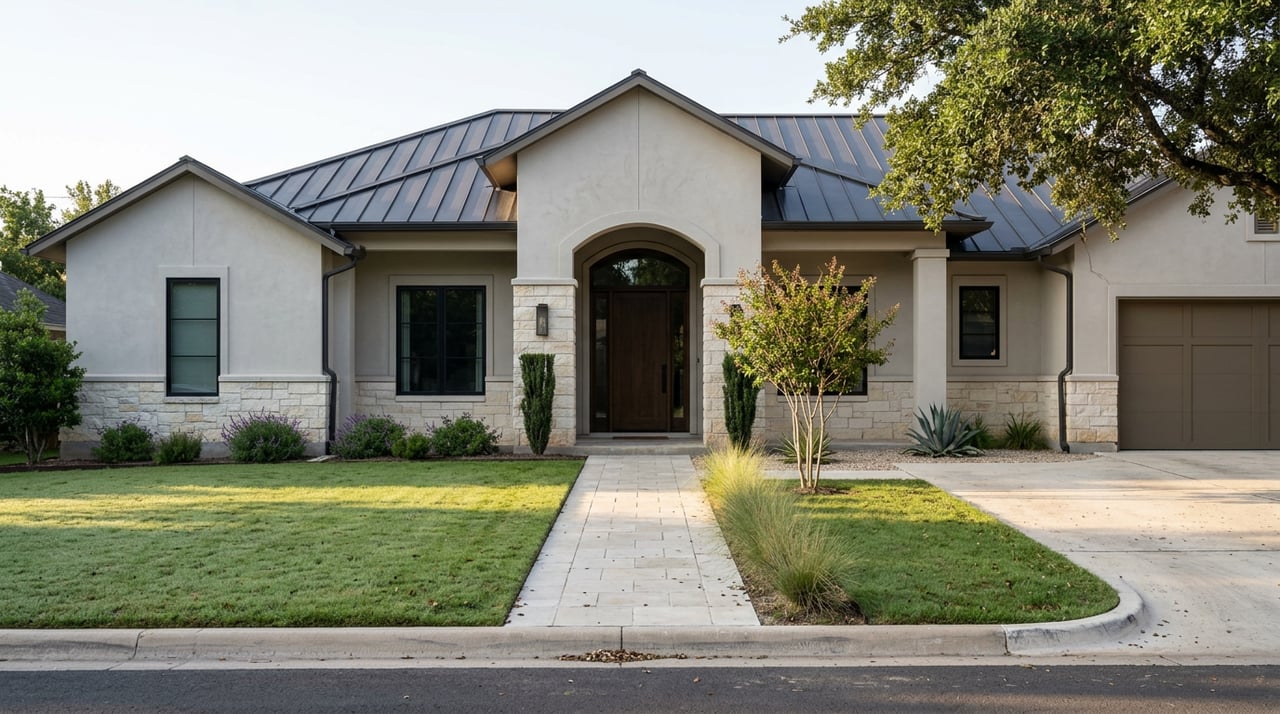
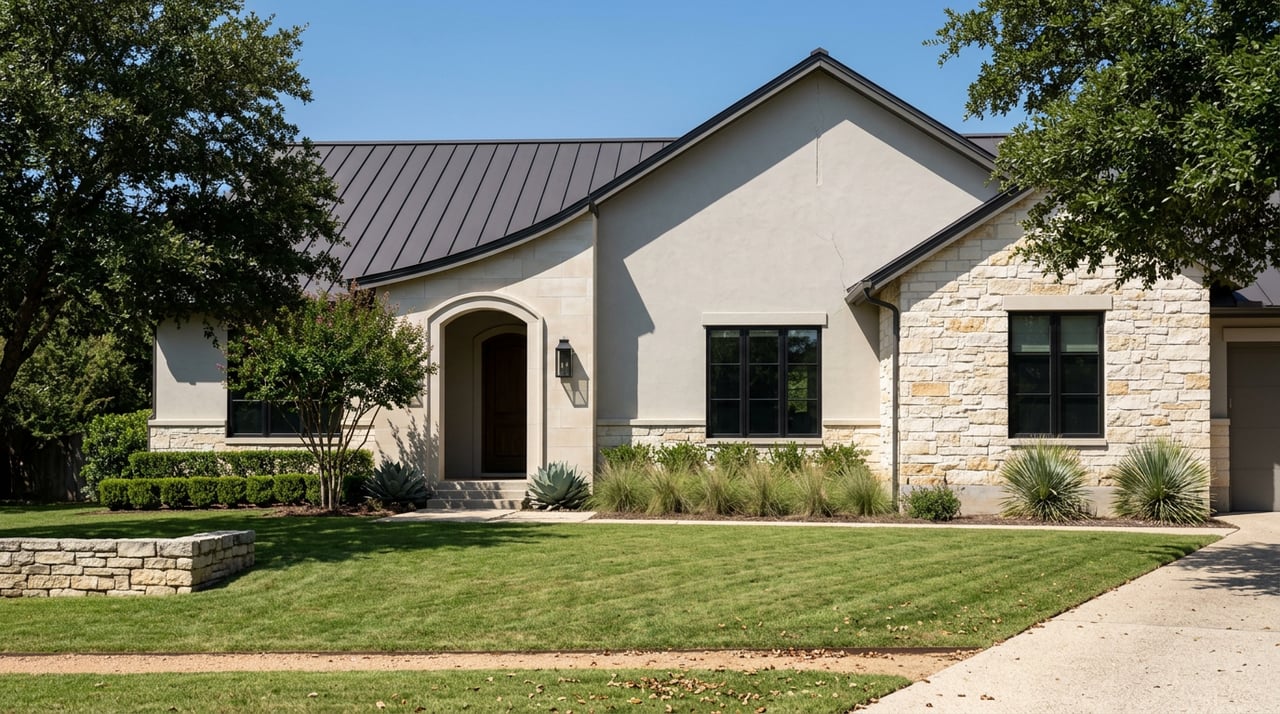
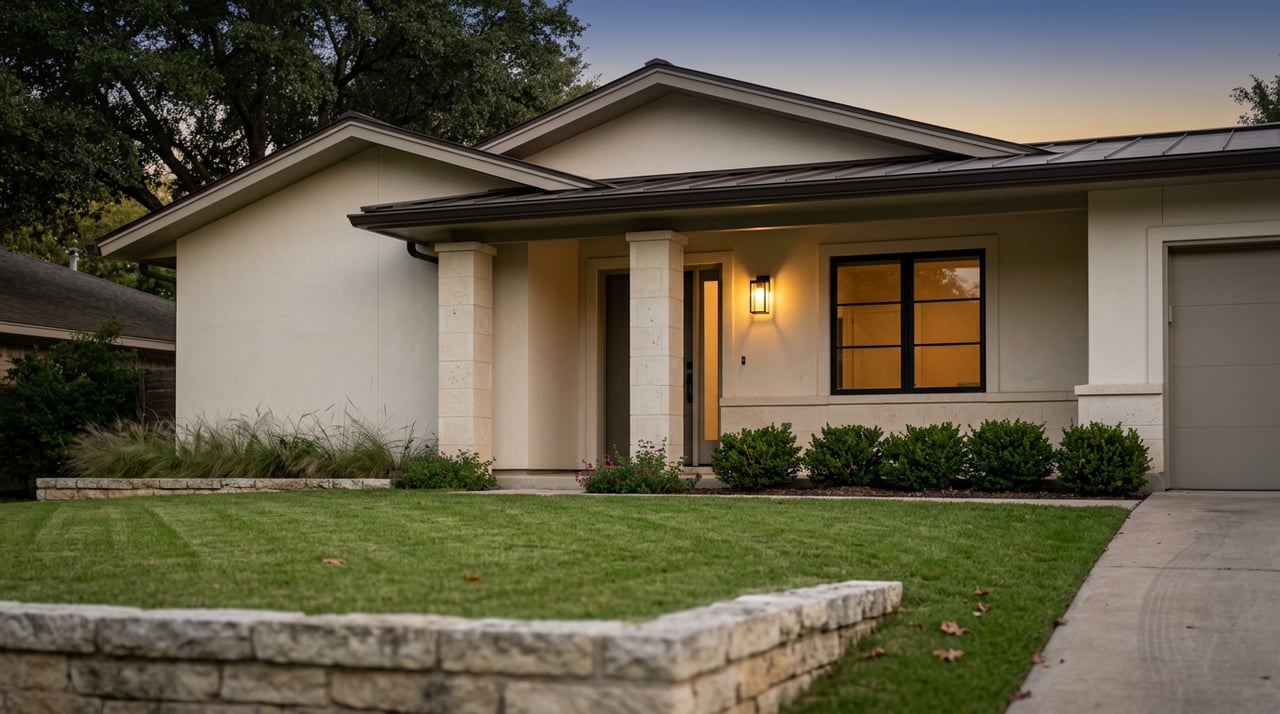
Single-family homes in Robinson range from mid-century to newer subdivisions. Many homes sit on slab foundations, which is common in Central Texas. You will also see neighborhoods with and without HOAs, so confirm any community rules that could affect leasing.
Common property traits and upkeep
- Floor plans often run 3 beds and 2 baths, which fit family renters.
- Roof and HVAC care matter in this climate. Plan seasonal HVAC service and roof inspections.
- Termite prevention and routine pest control are typical in Texas.
- Hail and wind can impact roofs and siding. Budget for periodic exterior maintenance.
Zoning and permits
Before you buy, confirm zoning, any short-term rental limits, and permit history with the City of Robinson. This helps you avoid surprises and confirms the home’s use aligns with your rental plan.
The numbers that matter
Smart investing starts with a simple pro forma you can explain in plain language. Focus on the income, the expenses, and a few key performance metrics.
Core rental metrics
- Gross Scheduled Rent, or GSR: expected monthly rent times 12.
- Vacancy allowance: a conservative 5 to 10 percent starting point in stable markets. Calibrate with local data.
- Effective Gross Income, or EGI: GSR minus vacancy plus any other income like pet fees.
- Operating expenses: property taxes, insurance, management, repairs, utilities you cover, HOA dues, landscaping, and reserves.
- Net Operating Income, or NOI: EGI minus operating expenses, not including your mortgage.
- Cap rate: NOI divided by purchase price. It helps you compare deals.
- Cash-on-cash return: annual pre-tax cash flow divided by your total cash invested.
- GRM, or Gross Rent Multiplier: price divided by annual gross rent. A quick screening tool.
A simple Robinson SFR example
The numbers below are illustrative to show the math. Always replace with actual Robinson comps, current tax bills, and an insurance quote before you decide.
- Purchase price: $275,000
- Expected rent: $1,950 per month
- GSR: $1,950 x 12 = $23,400
- Vacancy at 7 percent: $1,638
- EGI: $23,400 minus $1,638 = $21,762
- Operating expenses
- Property taxes: $5,800 per year (sample placeholder, confirm with McLennan County Appraisal District)
- Insurance: $2,000 per year (sample, verify with a local agent and consider wind and hail coverage)
- Management: 10 percent of collected rent = about $2,176
- Repairs and maintenance reserve: 8 percent of rent = about $1,872
- Miscellaneous and landscaping: $600
- Total operating expenses: about $12,448
- NOI: $21,762 minus $12,448 = $9,314
- Cap rate: $9,314 divided by $275,000 = about 3.4 percent
If you finance with 20 percent down plus closing costs and minor make-ready, calculate cash-on-cash by subtracting annual debt service from NOI to find annual cash flow, then divide by your total cash invested. Run a sensitivity check too.
Sensitivity check
- If rent is 5 percent lower, GSR drops and cap rate declines.
- If vacancy rises to 10 percent or taxes adjust upward, NOI falls. Texas property taxes can change with appraisals, so build a buffer.
- If you self-manage, you might save management fees, but factor your time and compliance risk.
Rules of thumb, calibrated for Central Texas
- The 50 percent rule suggests half of gross rent may go to operating expenses, not including your mortgage. Local taxes and insurance can swing this up or down.
- Budget 1 to 3 percent of property value per year for maintenance and reserves depending on age and condition.
- Property management often runs 8 to 12 percent of monthly rent for full-service. Leasing fees may apply.
Financing, taxes, and insurance
Getting the money side right early will save you stress and improve your returns.
Common financing paths
- Conventional investor loans typically start at 20 percent down. Terms and rates vary by lender.
- DSCR or portfolio loans qualify primarily on rental income rather than your personal income. These can work well for investors.
- Cash purchases simplify closing and can speed renovation, then you can refinance later if it fits your plan.
Always compare several local lenders for quotes and closing timelines in McLennan County.
Property taxes in McLennan County
Texas has no state personal income tax, so property taxes play a large role in your operating budget. Your specific rate depends on overlapping taxing entities such as city, county, and school district. Pull the current and prior tax bills for your target property from the McLennan County Appraisal District. Remember that exemptions like homestead or disabled veteran generally do not apply to investment properties.
Insurance and weather risks
Central Texas sees wind, hail, and occasional severe storms. Discuss a landlord policy, often called a DP-3, with a local agent and ask about wind and hail deductibles. Many owners require tenants to carry renters insurance. Confirm whether the property sits in a FEMA flood zone that would require flood insurance.
Operations and legal basics
A solid operations plan keeps your rental compliant and predictable.
Texas landlord-tenant highlights
Texas Property Code Chapter 92 sets standards for things like security deposits, repair and remedy processes, habitability, and required notices. The law changes from time to time, so confirm current timelines and documentation requirements before you advertise and lease. Keep written policies and apply them consistently.
Property management options
- Self-management gives you control and can cut costs, but it requires 24/7 responsiveness and strong vendor relationships.
- Third-party management typically runs 8 to 12 percent of monthly rent, with possible leasing and renewal fees. Interview managers about screening, maintenance workflows, and local vacancy and days on market.
Tenant screening and fair housing
Use consistent, written criteria. Verify income and rental history, run appropriate background checks, and follow all fair housing guidelines. Offer equal opportunity and avoid informal or subjective judgments that could lead to claims.
Maintenance planning
- Schedule HVAC service twice per year.
- Plan for roof checks, gutter cleaning, and routine pest control.
- Track capital items like roof, HVAC, water heater, and appliances. Build a multi-year budget for replacements and upgrades.
Risks and how to manage them
Every investment carries risk. Your job is to identify, price, and mitigate it early.
Key Robinson considerations
- Market concentration: The Robinson rental market ties to Waco area employers. If one sector slows, demand could soften.
- Weather: Hail, wind, and regional tornado risk exist. Confirm insurance coverages and deductibles.
- Property tax changes: Appraisals can increase. Stress test your pro forma with higher taxes.
- Competition: More investor-owned SFRs can push rents down or keep days on market elevated.
- Regulatory shifts: Eviction procedures and local code enforcement practices can change. Stay informed.
Due diligence checklist
- Pull 3 to 5 recent Robinson SFR sales comps and 3 to 5 active or recent rental comps.
- Retrieve the current property tax bill and check for recent changes.
- Request a landlord insurance quote with wind and hail considerations.
- Confirm City of Robinson rental rules such as any registration or inspection requirements.
- Check FEMA flood maps for the property and confirm if flood insurance is required.
- Speak with a local lender about investor loan options and down payment guidelines.
- Interview one or two property managers for expected rents, vacancy, leasing fees, and typical maintenance costs.
- Consult a CPA for questions on depreciation, repairs vs. improvements, and 1031 exchange basics.
Next steps in Robinson
- Define your criteria: price range, target rent, bed and bath count, and ideal neighborhoods.
- Build your comp set: collect sales and rental data and update it weekly.
- Create a pro forma template so you can analyze each property quickly with real tax and insurance figures.
- Line up financing and proof of funds, then discuss inspection and option period strategies.
- Prepare your vendor roster: plumber, HVAC, electrician, roofer, lawn service, and handyman.
When you want experienced, owner-level guidance in Central Texas, work with a brokerage that understands both neighborhood nuance and investor math. Connect with Ten42 Realty to talk strategy, refine your criteria, and move with confidence.
FAQs
Is Robinson, Texas a good place to buy a single-family rental compared with Waco?
- Robinson benefits from proximity to Waco employers and schools while offering a primarily single-family housing stock, so compare price-to-rent ratios and vacancy trends for both areas before choosing.
How much cash do I need to start investing in a Robinson rental home?
- Plan for a 20 percent down payment on a conventional investor loan plus closing costs, initial repairs, and reserve funds for several months of expenses.
What is a good cap rate for Robinson single-family rentals?
- In many smaller and secondary markets, cap rates often land in the mid to high single digits, but you should verify with recent Robinson comps and your actual tax and insurance numbers.
What should I budget for property management if I do not self-manage?
- Full-service single-family management commonly runs 8 to 12 percent of monthly rent, with possible leasing and renewal fees that you should confirm in writing.
Are there special rental registrations or inspections required in Robinson?
- Requirements can change, so confirm current rules with the City of Robinson before you advertise or sign a lease.
What Texas landlord-tenant laws apply to Robinson rentals?
- Texas Property Code Chapter 92 governs habitability standards, deposits, repair procedures, and notices, so review the current statute and follow it consistently.
How do I check flood risk for a Robinson property?
- Review FEMA flood maps for the property to see if flood insurance is required and discuss coverage with your insurance agent.