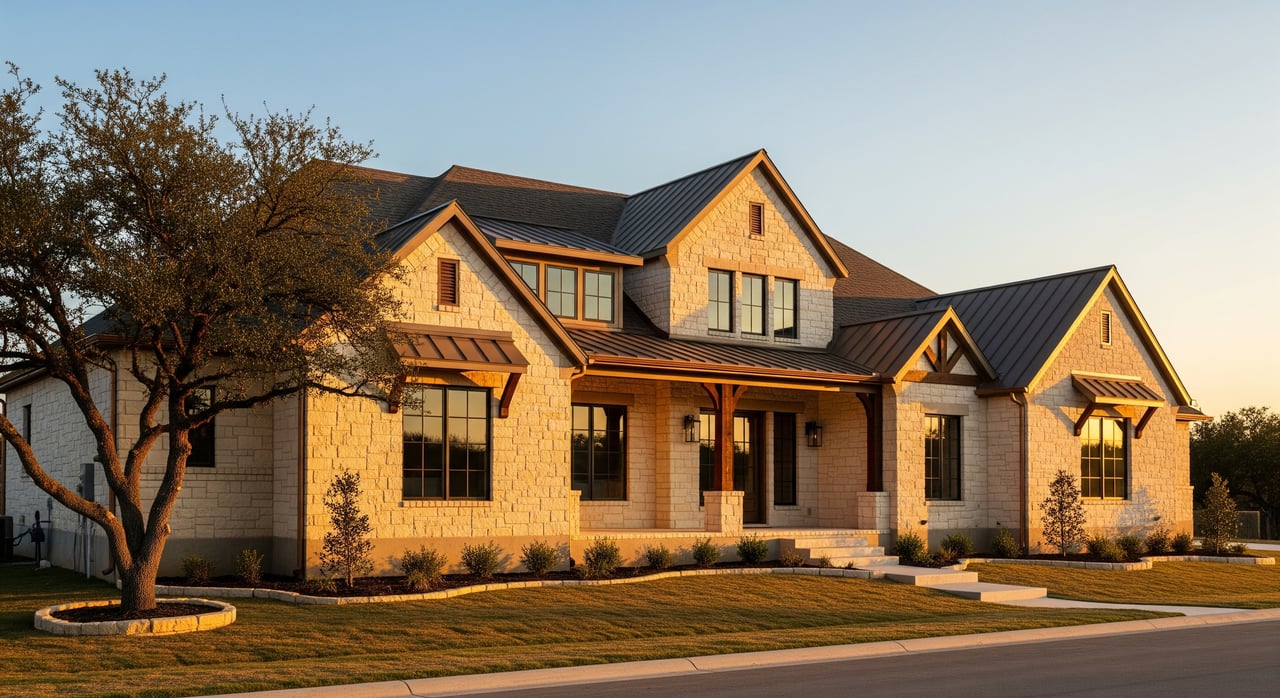
Buying a new construction home in Temple is exciting, but the builder warranty can feel confusing. You want to know what is actually covered, how long you have to report issues, and what to do if repairs lag. With a clear plan, you can protect your home and your time. In this guide, you’ll learn how Texas’s common 1-2-10 warranty works, what to check during walkthroughs, how to document requests, and when to escalate. Let’s dive in.
Understand the 1-2-10 warranty
The 1-2-10 format is an industry practice, not a state mandate in Texas. Coverage and definitions vary by builder and the warranty provider, so always read your specific documents. In general, here is how it breaks down:
- Year 1: Workmanship and materials. This often includes paint, trim, finishes, doors, cabinets, and flooring defects caused by installation.
- Year 2: Systems and mechanicals. This typically covers major systems like HVAC, plumbing, and electrical components that are not structural.
- Year 10: Structural. This focuses on major structural defects that affect load-bearing elements such as the foundation, framing, beams, and load-bearing walls.
The warranty may be issued by the builder or a third-party company that administers claims. Manufacturer warranties for items like appliances, windows, roofing materials, and HVAC equipment are separate and have their own timelines and processes.
What is not covered
Most builder warranties exclude normal wear and tear, owner misuse, and routine maintenance items. Normal settlement or shrinkage within expected tolerances is usually not covered. Damage from severe weather or changes you make after closing are also common exclusions. Check your warranty document for specific definitions and exceptions.
How long you have to report issues
Report items as soon as you notice them. Many coverage decisions come down to when you discovered the issue and when you notified the builder in writing.
- Year 1 items: Submit general workmanship and cosmetic concerns within the first 12 months.
- Year 2 items: Submit system and mechanical concerns within 24 months.
- Structural items: Structural defect claims may be allowed up to 10 years, depending on your warranty’s definitions and terms.
Typical response and repair timing
Actual timelines depend on your contract and the builder’s process, but common expectations include:
- Acknowledgement: Many builders or warranty administrators acknowledge requests within a few business days.
- Scheduling: Minor cosmetic items may be scheduled in 2 to 8 weeks. Systems or complex repairs can take 30 to 90 days based on parts, subcontractor availability, and weather.
- Emergencies: Safety hazards are usually prioritized and addressed faster.
Walkthroughs that protect you
You should attend the pre-closing walkthrough with your agent and the builder’s representative. This confirms completion and contract specs. Plan an 11-month walkthrough about 4 to 6 weeks before your one-year warranty window ends. Time it based on the closing date or the certificate of occupancy, whichever your warranty uses. Consider hiring a third-party inspector for either the final or 11-month walkthrough.
Tools to bring
- Flashlight and smartphone for photos and videos
- Notebook or tablet and a pen
- Measuring tape and a small level
- Circuit tester
- Step stool or ladder if safe and allowed
- A bucket or faucet aerator to test drainage and water pressure
Room-by-room checklist
- Exterior: Roof, gutters, grading, drainage away from foundation, visible foundation cracks, siding or brick issues, driveway or sidewalk settlement.
- Interior: Doors and trim, floors, walls, ceilings, windows and screens, paint quality.
- Mechanical: HVAC heating and cooling modes, airflow, thermostat; test outlets, light switches, GFCIs, smoke and CO detectors; run all plumbing fixtures, check drains, water heater, and visible supply lines.
- Appliances: Run major appliances and record model and serial numbers.
- Safety: Verify handrails, guardrails, and garage door sensors and auto-reverse.
Documentation that gets results
Strong documentation speeds up decisions and helps if you need to escalate.
- Photos and videos with timestamps. Add a brief narration stating the date and the issue.
- For cracks, include a measuring reference and note location, width, and length.
- Keep a log with discovery date, room, short description, photo filenames, urgency, and desired outcome.
- Save all emails, portal confirmations, and ticket numbers. Ask for written repair schedules and completion confirmations.
How to file and track a service request
Use the builder’s official process. Many offer an online portal, email, or phone intake that you confirm in writing. If required by your contract, use certified mail.
Include at least the following in each request:
- Date discovered and date submitted
- Exact location: address, room, and fixture
- Clear description and steps to reproduce the issue
- Photos or videos with timestamps
- Equipment details, such as brand, model, and serial numbers
- Reference to earlier walkthrough notes or past emails
- Your contact info and access times, plus preferred follow-up method
Temple-specific steps and escalation
In Temple, permits and building codes are enforced by the City of Temple’s Development Services or the applicable municipal office. If you see a clear code or safety issue, contact city inspections or code enforcement in addition to your builder.
If repairs are denied or delayed, follow a step-by-step path:
- Step 1: Submit a written request through the builder’s portal or email and attach documentation.
- Step 2: If there is no adequate response, escalate to the builder’s warranty manager or sales manager and include your agent on the communication.
- Step 3: If a third-party warranty administrator is involved, contact them as directed in your warranty certificate.
- Step 4: For code or safety violations, notify the City of Temple inspections office.
- Step 5: If still unresolved or you believe coverage was wrongly denied, consult an attorney with construction or real estate experience. Your contract may call for mediation or arbitration.
When to involve your real estate agent
Loop in your agent at the final pre-closing walkthrough to help document punch-list items and request completion. Ask your agent to plan and attend the 11-month walkthrough. Contact your agent immediately for safety or structural concerns. If coverage is denied or service stalls, your agent can help escalate to the builder’s management or the warranty administrator.
Practical next steps for Temple buyers
- Read your purchase contract and warranty documents before closing. Clarify definitions, timelines, and notice requirements.
- Schedule your 11-month walkthrough 4 to 6 weeks before the Year 1 deadline.
- Use the builder’s official submission method and always confirm in writing. Keep copies.
- Register manufacturer warranties and keep appliance manuals.
- For significant or structural concerns, document thoroughly and notify the city if there is a potential safety or code issue.
- Consider hiring an independent inspector for added peace of mind.
Buying new construction should feel exciting and secure. With the right plan, you can use your warranty the way it was intended and keep your Temple home in great shape. If you want a steady guide through walkthroughs, documentation, and builder communication, reach out to the team at Ten42 Realty for local, owner-led support.
FAQs
What does a 1-2-10 builder warranty cover in Temple?
- Year 1 typically covers workmanship and materials, Year 2 covers major systems like HVAC, plumbing, and electrical, and Year 10 focuses on structural defects affecting load-bearing elements.
Are manufacturer warranties different from the builder’s warranty?
- Yes, manufacturer warranties for items such as appliances, windows, and roofing materials are separate, with their own timelines and claim processes.
When should I schedule the 11-month walkthrough for a new Temple home?
- Schedule it 4 to 6 weeks before your one-year warranty mark, based on your closing date or certificate of occupancy as defined in your warranty.
How do I report a safety issue or code concern in a new Temple home?
- Notify your builder immediately and also contact the City of Temple Development Services or building inspections if there is a clear code or safety violation.
What should I include in a warranty service request?
- Include dates discovered and submitted, exact location, clear description and steps to reproduce, photos or videos with timestamps, equipment info, prior references, and your contact and access details.
What if my builder denies a warranty claim I believe is covered?
- Escalate in writing to the builder’s warranty or sales manager, contact any third-party administrator noted in your documents, and consult an attorney if needed based on your contract’s remedy process.